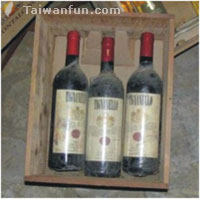
 I recently drank a bottle of Chilean Cabernet Sauvignon labeled as "Reserva". The wine was from 2010 and had reached a full level of maturity. So does that mean that you should all be drinking Chilean Cabernet from 2010? Unfortunately, it's not that simple. And you may be wondering what exactly a "full level of maturity" means. I recently drank a bottle of Chilean Cabernet Sauvignon labeled as "Reserva". The wine was from 2010 and had reached a full level of maturity. So does that mean that you should all be drinking Chilean Cabernet from 2010? Unfortunately, it's not that simple. And you may be wondering what exactly a "full level of maturity" means.
"Reserva" (Reserve) doesn't have an exact meaning and is mainly used in South America and Spain. It implies that the wine has been treated differently from the standard range the producer makes via a combination of selecting better-quality grapes, additional bottle ageing and, in the case of many whites and most reds, some ageing or even fermentation in oak barrels. All of these factors should add considerable complexity to a wine's flavors and aromas.
So why did I think this wine was mature? In this case, the wine had oak ageing and, being a Cabernet Sauvignon-based red, would have started life with quite astringent tannins. The key here is timing it so that the tannins have softened and all the secondary flavours that develop over time in bottle have blended with the oak and primary fruit flavours present from the first day in the bottle.
Wait too long and the primary fruit flavours will be gone. Don't wait long enough and the tannins will still be green (that feeling of instantly drying your mouth out) and secondary flavours won't have developed. Wait far too long and all the sweet flavours will dry out, oxygen will eventually seep in, the wine will turn brown from oxidation, with only acidic flavours remaining for some expensive oxidized vinegar. Top-quality wines also use better corks/seals.
Some quick tips:
1. If the wine you're buying has a cork (not screw cap), reach behind the upright bottle and get one that has been lying down so the cork hasn't dried, shrunk and let oxygen in.
2. Don't keep any cheap wines; drink them young.
3. Even the longest-living wines in the world can reach their peak in under 10 years if the vintage (year) wasn't great.
4. Red or white, if the wine has had no oak ageing, it is unlikely it was meant to be kept over two years. (If it is under about NT$600 and doesn't say on the label, it almost certainly hasn't seen any oak.)
Cheers,
Kris
kris@wineconnection.co.nz
0916-222-336 |

 February 2014