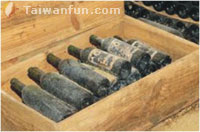
 Last month, I covered setting up your own wine cellar. This time, we'll discuss what to buy and why. The first, and perhaps most surprising, advice is to buy some wines that don't need to age for long. If you're interested in starting a cellar, you don't want to be waiting a decade before you find out what your wines are like! So get some wines that can age for a few years, but are also ready to drink in the next couple of years.
It's also always worth buying several bottles, or a case, of the same wine. You may open a bottle and find it's pretty good, but could do with a bit more ageing, so it's nice to have that option later.
If you're serious about selecting your wines, it's worth paying a little extra and buying from a trusted wine supplier, which offers good knowledge and confidence that the wines have been stored properly. Look for a supplier that appears to have a carefully-chosen range where every wine seems to have a story.
If you're going to spend some serious money on wines to "lay down" (store), I recommend doing some research into vintages first. Wines are subject to weather conditions each year and will vary in lifespan according to the type of grapes that went into them. A very warm, wet summer might result in grapes that have a low concentration due to the extra water in the grapes, plus low acidity from the heat. These wines will not age as well as those from the same producer in another year.
Similarly, if the weather is cool over the summer in a place like Bordeaux, the blend of grapes will favour Merlot over Cabernet Sauvignon, as the latter takes longer to ripen. The resulting wines will be more rounded and soft when they are younger, and more pleasant to drink after just a few years in the bottle, whereas Cabernet dominant wines might be better a year or two later. So think about wine styles, producers, the history (storage) of the bottles and the vintage reports (usually easily found online).
Lastly, if you want to get the most out of your wines, treat them right from start to finish. That means serving them at the right time, in the right glasses at the right temperature and with the right food. Why drink expensive wine if you don't take care of those simple details?
A reminder that if you have any questions or would like some help in setting up a wine collection, please don't hesitate to drop me a line.
Enjoy your wine,
Kris
kris@wineconnection.co.nz
0916-222-336 |

 May 2014